Keynote Speakers
17th Conference of the International Society for Tryptophan Research (ISTRY)

Sophie Erhardt is Professor in Experimental Psychiatry and Head of the Dept of Physiology and Pharmacology. In addition to her role at FyFa, Sophie represents KI in Karolinska University Hospital’s comprehensive resource for anesthesia, surgery, pre- and post-operative care, and adult intensive care. She also serves as the Academic Coordinator for the collaborative platform between KI and Mayo Clinic, USA, and is a member of its steering board. Sophie holds several leadership positions in scientific organizations. She is the President of the Scandinavian College of Neuropsychopharmacology and President-Elect of the International Society of Tryptophan Research. Additionally, she is chair of the steering board for Comparative Medicine and a member of the Karolinska Schizophrenia Project at KI. She also serves as Secretary of the Royal Swedish Academy of Sciences’ National Committee for Pharmacology, Physiology, and Neuroscience. Sophie’s pioneering research has established immune‑driven activation of the kynurenine pathway as a central mechanism in psychiatric disorders, particularly schizophrenia, suicidality, and cognitive impairment. Together with collaborators, she has shown that picolinic acid (PIC) may serve as a biomarker of suicidal behaviour, and that kynurenic acid (KYNA) is elevated in schizophrenia, linking dysregulated kynurenine metabolism to psychosis vulnerability. Building on these insights, her group runs a drug discovery program targeting kynurenine aminotransferase III (KAT III) inhibition, aiming to normalize KYNA signaling and develop novel mechanism‑based treatments for severe psychiatric illness. Sophie earned her doctoral degree in pharmacology at KI in 2001, focusing on KYNA’s regulation of dopaminergic signaling. In 2002, she completed her postdoctoral training at the University of California San Diego, USA. Upon returning to KI, she established the Neuropsychoimmunology group, became an Associated Professor in 2006, and was appointed Professor in 2016. Since 2022, she has served as Head of Department of Physiology and Pharmacology. Throughout her career, Sophie has authored more than 145 scientific articles and has supervised 16 doctoral students through their thesis defenses, including 10 as main supervisor. She continues to lead the Neuropsychoimmunology group, which now consists of 19 researchers.
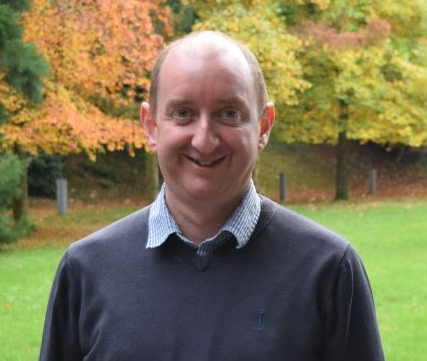
Gerard Clarke is Professor of Neurobehavioural Science in the Department of Psychiatry and Neurobehavioural Science and a Principal Investigator in APC Microbiome Ireland at University College Cork. His research interests include the impact of the gut microbiome on brain and behaviour across the life span, microbial regulation of tryptophan metabolism and translational biomarkers of stress-related neuropsychiatric disorders. Target human populations of his research include those with major depression and anxiety as well as gastrointestinal disorders with high psychiatric comorbidities such as irritable bowel syndrome. Key achievements in the generation of knowledge include the demonstration that the gut microbiome regulates the hippocampal serotonergic system in a sex-dependent manner, findings that paved the way for numerous lines of inquiry on the effects of the gut microbiome on neurodevelopment, brain function and behaviour. His approach is based on advancing frontier knowledge in microbiome research to yield potential new therapeutic targets for effective treatment of central nervous system disorders. He has recently co-authored a book titled Microbiota Brain Axis: A Neuroscience Primer which provides a framework for understanding microbial regulation of brain function and behaviour.
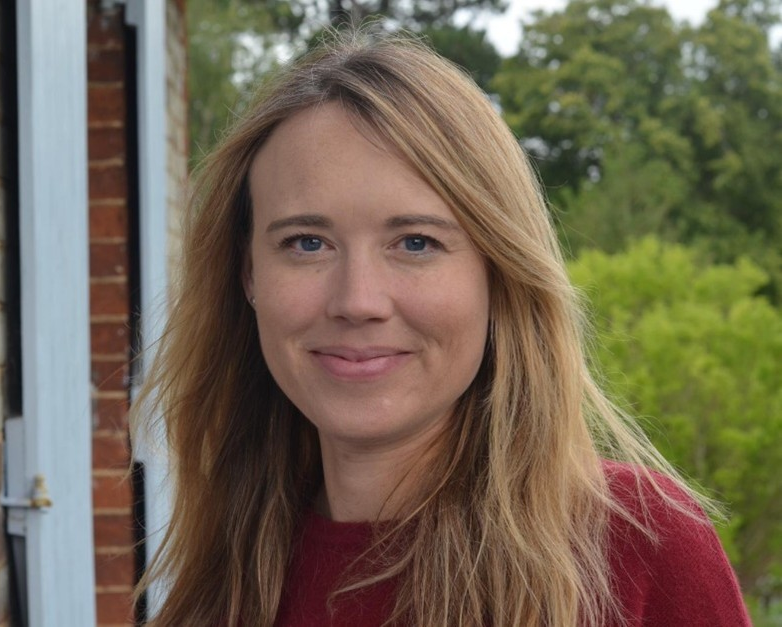
Catherine Harmer is a Professor of Cognitive Neuroscience at the University Department of Psychiatry in Oxford. Her work focuses on the interplay between pharmacological and psychological theories and approaches to depression. Catherine is the current President of the British Association of Psychopharmacology and a Fellow of the Medical Academy of Sciences (FMedSci). Her work is funded by Wellcome Trust, Medical Research Council and the National Institute for Health and Care Research (NIHR).